Poetics of Space: Jesús Edmundo Robles Jr, Assistant Professor of Practice in Architecture
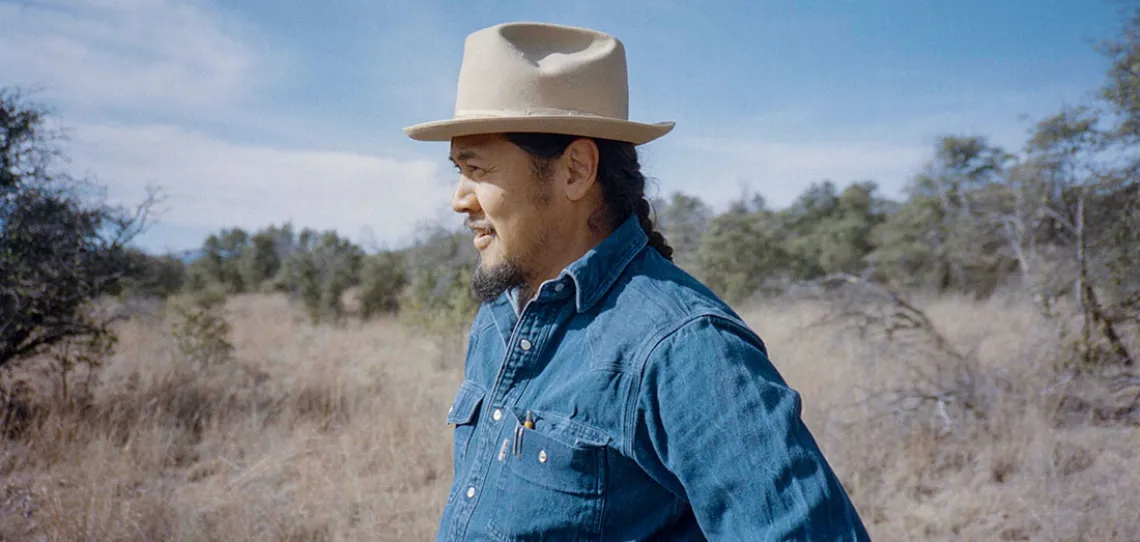
Six Questions with Jesús Edmundo Robles Jr, Assistant Professor of Practice in Architecture
“We have an opportunity to frame an experience that can engage the global future with critical thinking and applied knowledge through studying the relationship of climate and culture of where we choose to study.”
What brought you to CAPLA?
An opportunity to teach CAPLA's land ethics studio brought me to the college in 2013. After taking a break, I have been teaching consistently since 2015.
Tell us about your areas of focus in practice and teaching.
The line blurs between practice and teaching. The values, spaces and projects we are engaging in practice are at varying scales reflected in the conversations and materials being explored through teaching. If I were to hone in on a focus, it would oscillate between sustainable material development and poetics of space.
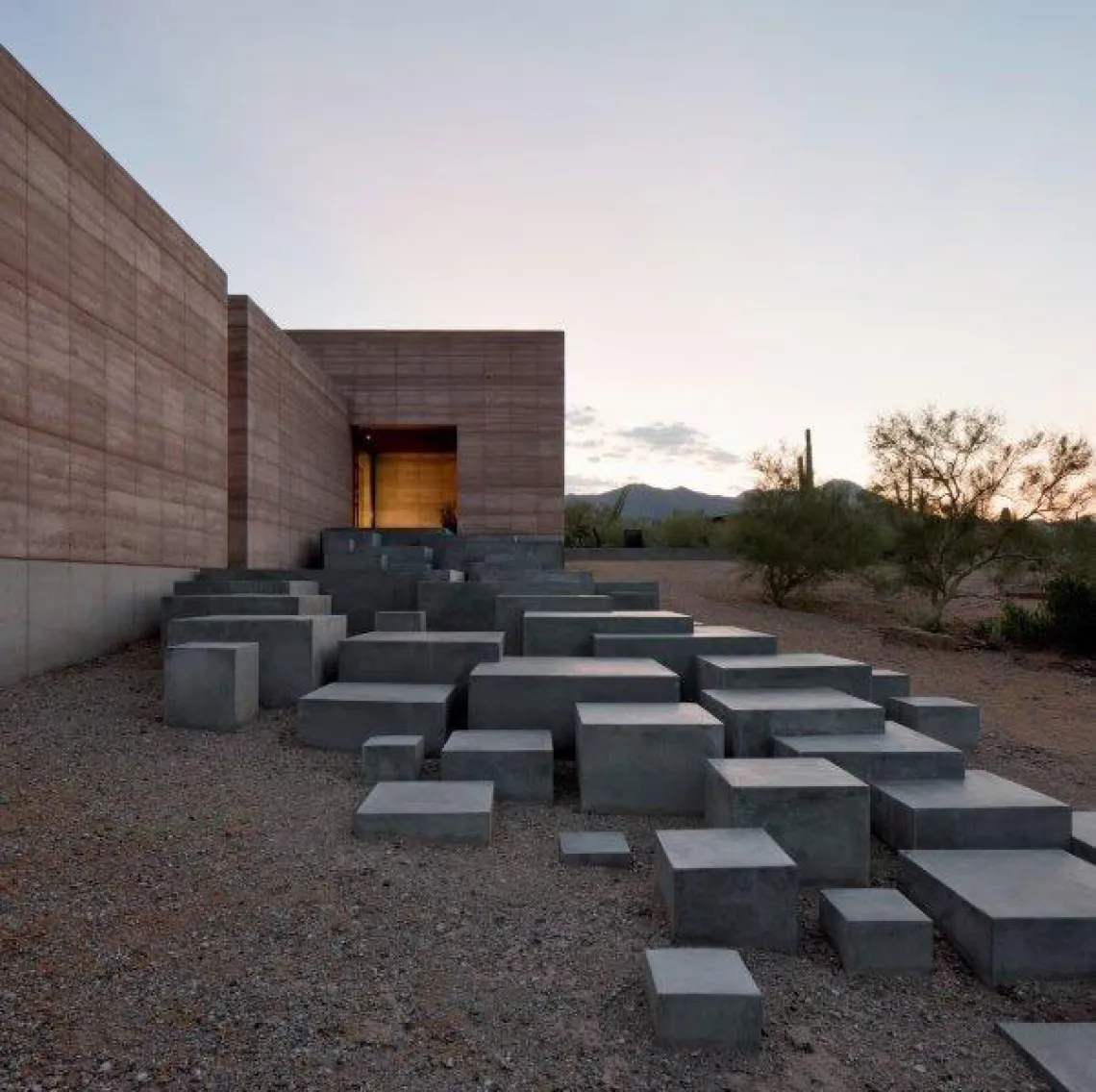
Tucson Mountain Retreat, by DUST Architects. Photo by Bill Timmerman.
What is your current architectural practice and what most excites you about your work?
I am one of the founding principals of DUST Architects, along with Cade Hayes. We are engaged in projects that explore our perception and experience of space through our relationship to the natural and built environments, use of natural and sustainable materials, passive solar design and the integration and regeneration of the landscape as part of the responsibility of architecture. Creating spaces that move the user to their core is the most exciting endeavor and conversations carried on in our studio.
What are you currently teaching and how do you bring your practice into your teaching?
I am currently teaching Techne 2 in Spring, and second-year studios in Fall and Spring. More informally, the pursuit of the perceptions of space, memory and matter find their way into my teaching, and vice versa into our work. The narrative and the conversation become an essential part of our work and practice. The conversations around memory and experience weave into what we are designing, for whom and to what impact. We concern ourselves with the qualities and the weight of the real.
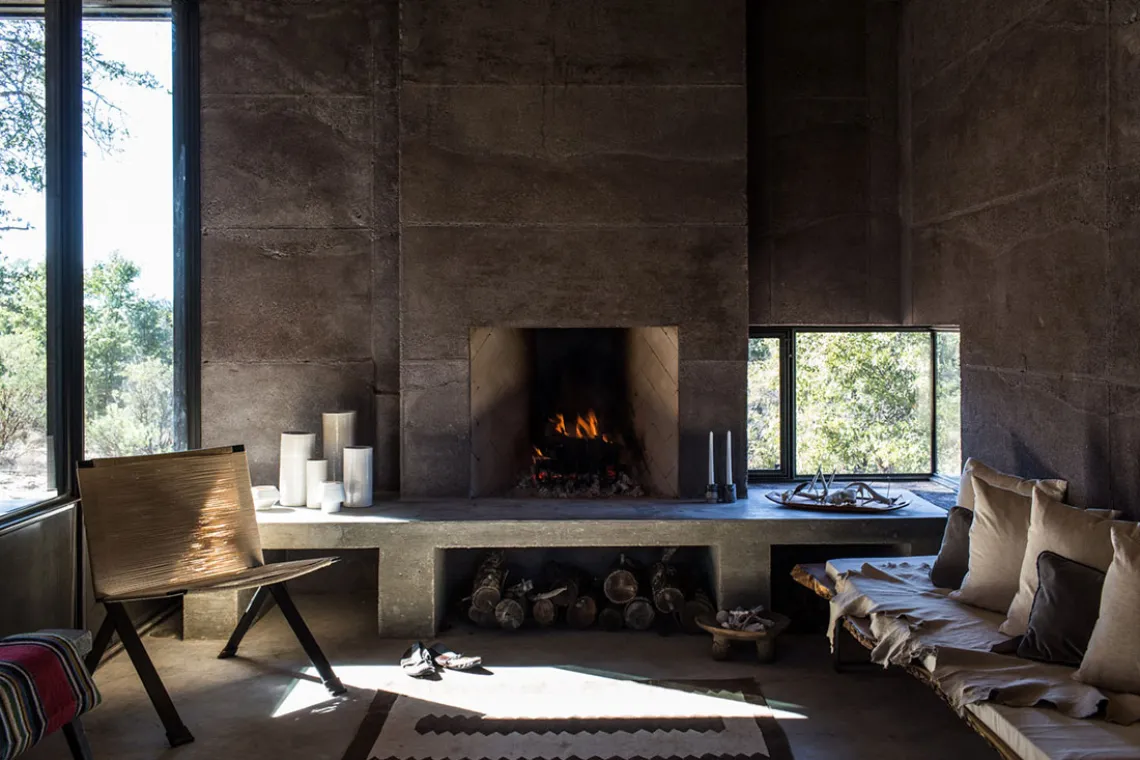
Casa Caldera, an off-grid remote desert getaway, by DUST Architects. Photo by Gabriel Flores.
Beyond your broad work in research, teaching and practice, what are you passionate about?
Being out in nature with my family, and music.
What does the CAPLA experience mean for you?
I think when I started teaching, the CAPLA experience meant something other than what I feel it is today. In short, the ability to interact with a place through an experience has a lasting effect, memory. I feel we have an opportunity to frame an experience that can engage the global future with critical thinking and applied knowledge through studying the relationship of climate and culture of where we choose to study. Those experiences can be scaled and applied to anywhere in the world. For me, it becomes more about the tools and problem-solving skills than the product.
To learn more, view Jesús Edmundo Robles Jr's faculty page.