

Dean Nancy Pollock-Ellwand shares how global perspectives shape design on ‘International Exchange’
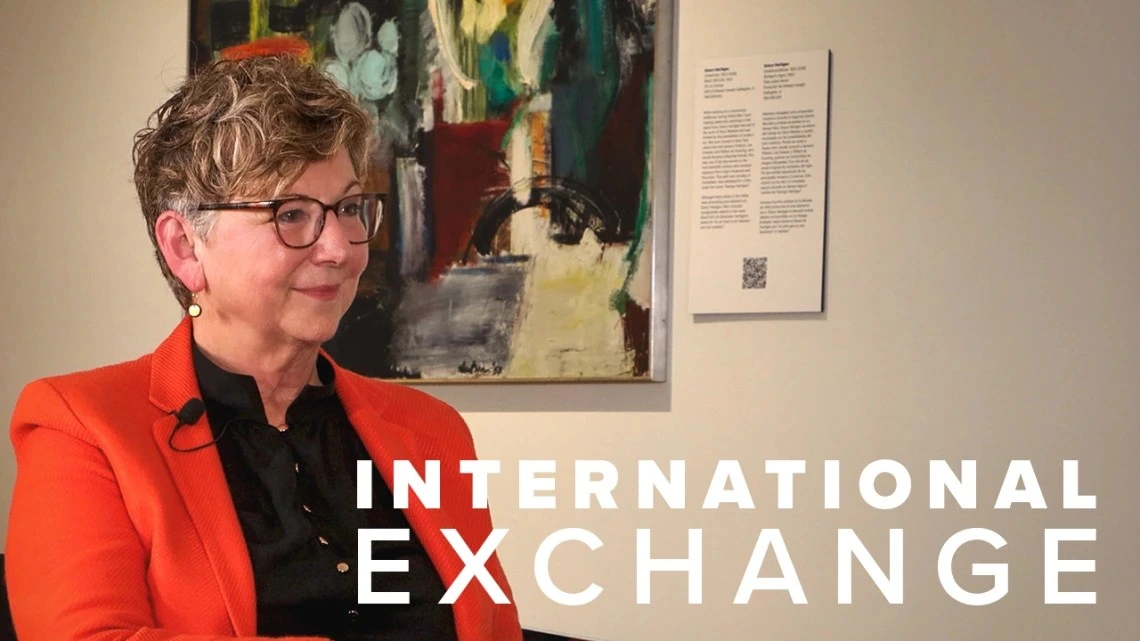
Arizona International Vice President and Dean Dr. Jenny Lee speaks with Dr. Nancy Pollock-Ellwand, dean of CAPLA, about how international experiences shape architectural thinking and design in the latest episode of "International Exchange."
This episode explores how Pollock-Ellwand’s Canadian roots and international experiences have shaped her design philosophy, her career in heritage preservation, and her approach to leadership at CAPLA. From her early days in Toronto to her time living and working in Japan and Australia, she reflects on how culture and place inform architectural expression.
While living in Japan, she was struck by the intentionality of design and the emotional impact of space. “The structure is impacting them and creating an emotion in them, which is truly great architecture,” she said, describing visitors’ reactions to a minimalist Japanese chapel designed by Tadao Ando.
She also described her role in evaluating nominations for UNESCO World Heritage Sites. It is a rigorous process that requires a committee of international experts to determine that a site demonstrates exceptional cultural or natural significance on a global scale, making it of importance to all humanity. “The question is: is it universally valued?” she explained. “It's not just valued by one country or one region. It actually is something that everyone in the world would deem valuable. So that's a big decision.”
This global mindset, which values diverse perspectives and shared human heritage, also shapes how Pollock-Ellwand approaches education and engages with international students at the University of Arizona. She emphasizes the unique insights international students bring to the classroom.
Recalling a Chinese student’s calligraphy-based presentation on landscape, she said, “He was telling us about the history of the place that he came from. And if he had not told us about this, we would not have been able to understand what we were looking at. And so, he guided us through to an understanding of where he came from.”
Watch the full episode to hear how international experience continues to inform CAPLA’s mission, and how global perspectives are central to the University of Arizona’s educational landscape. To watch the full episode and all International Exchange episodes, visit the Arizona International YouTube page.


