In the News: "UA Architecture students design, build shipping container microshelter, addressing homelessness"

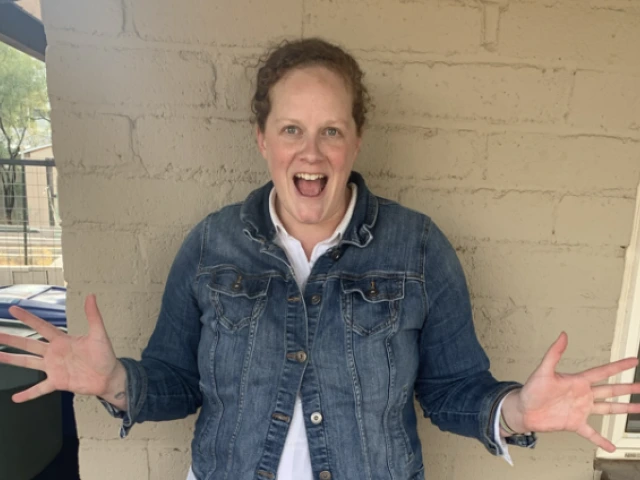
Dayton Bay, B.Arch '26, poses inside the prototype microshelter that architecture students in the Community Design & Action Capstone studio helped to design and build.
Kate Gardiner
CAPLA architecture students were featured by local television station KGUN9 for the hands-on capstone project they worked on to help address housing instability in Tucson.
Excerpt from the news story: "UA architecture students design, build shipping container microshelter, addressing homelessness"
The students are in the Community Design & Action (CDA) Capstone studio and they partnered with Apostolic Deliverance Ministry to design and build a prototype microshelter using a 40-foot shipping container. Inside is a fully designed living space complete with a lofted bed, kitchen, storage and a couch.
Associate Professor of Practice Teresa Rosano in the School of Architecture, CAPLA, led the project and says the design represents much more than just the build itself.
"They are learning about the process of working with clients, real site constraints and working with each other in a collaborative studio," Rosano said.
Students created the design in early April and spent two weeks building the prototype inside a shipping container.
Dayton Bay, an architecture student, tells me one of the biggest challenges was turning a narrow metal space into something welcoming and functional.
"People that come into these situations a lot of times have a lot of belongings with them. So, we wanted to provide enough space for them to be able to have everything out and for display. A full kitchen, a full bathroom. So, it truly is everything that somebody would need to survive," Bay said.
Bay says the shipping container they used had been sitting unused near the border.
"We met with Dan Ranieri from La Frontera and Beau Phillips from Boxes of Hope. Basically, we partnered with them to kind of create this vision of creating this prototype using these shipping containers that are down along the border," said Bay. "There's an excess amount of them that are just sitting there. So we were like, what better way than to kind of use these containers to provide housing?"