

CAPLA Faculty Lead Efforts to Move Design and Studio Courses Online


Ladd Keith, Assistant Professor of Planning and Sustainable Built Environments
As soon as it was announced that all University of Arizona courses would go fully online for the remainder of the semester, Ladd Keith, assistant professor of planning and sustainable built environments, knew many of his colleagues—some who had never taught an online course—would need support.
The Office of Instruction and Assessment (OIA) and the Office of Digital Learning (ODL) have been leading the effort to move all Arizona courses online, but studio courses taught at the College of Architecture, Planning and Landscape Architecture present some unique challenges. Studio courses involve both digital and physical design projects, iterative feedback from instructors and peers and critiques on final designs, so teaching them online can be much more involved than a lecture-based course.
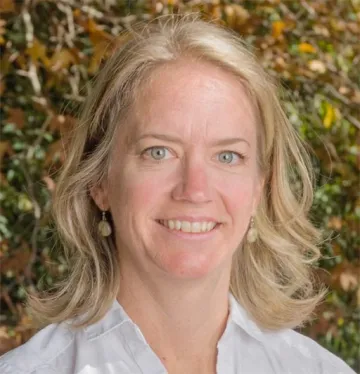
Kelly Cederberg, Adjunct Lecturer in Landscape Architecture
Well versed in the world of teaching online, Keith worked with CAPLA deans and directors to organize a Zoom workshop to share best practices with his colleagues. On Monday, more than 50 faculty participated in the workshop where Kelly Cederberg, lecturer in landscape architecture, demonstrated the Sustainable Built Environments’ online studio course that uses VoiceThread to facilitate the iterative design process between faculty and students. They were joined by Emily Torrez, instructional designer for ODL, who provided faculty with additional resources and tips to ease their transition as much as possible.
“I was honestly shocked we had that many participants join us considering everything that’s going on,” said Keith. “There’s been such community spirit in CAPLA, and a real sense of teamwork and dedication to our students.”
Pointers on Online Teaching from Ladd Keith
- Re-evaluate your syllabus on how best to achieve the course’s learning objectives. After rethinking your course, make sure to update your syllabus. It is our contract with the students.
- Seriously consider delivering an asynchronous (not live) online course where they can watch lectures and complete work on a flexible schedule. Our students are now all over the country in different time zones and have disrupted lives (living situations, work, families, etc.) as well.
- Set up a consistent and reliable weekly schedule for your course going forward. Example: Video lectures posted Monday, assignments due Thursday, and peer feedback due Friday
- Clearly communicate to your students in several different modes, such as announcements both over email and on D2L.
- Remember, none of this is “ideal” online instruction. It takes at least a semester to develop a quality course online. Don't overcomplicate things by introducing too many new technologies you and your students aren’t familiar with.
- Take advantage of our existing online help and how-to resources, as well as making it clear who students can contact for tech support.
Visit this webpage from the Office of Instruction and Assessment for further resources and support to help your transition to online courses.


