

CAPLA Partners with UPC Lima to Launch Global Microcampus Program in Sustainable Built Environments
Classes convened for CAPLA’s first microcampus program on March 26, 2020, a unique marrying of UArizona’s BS in Sustainable Built Environments with UPC’s Bachelor of Architecture.
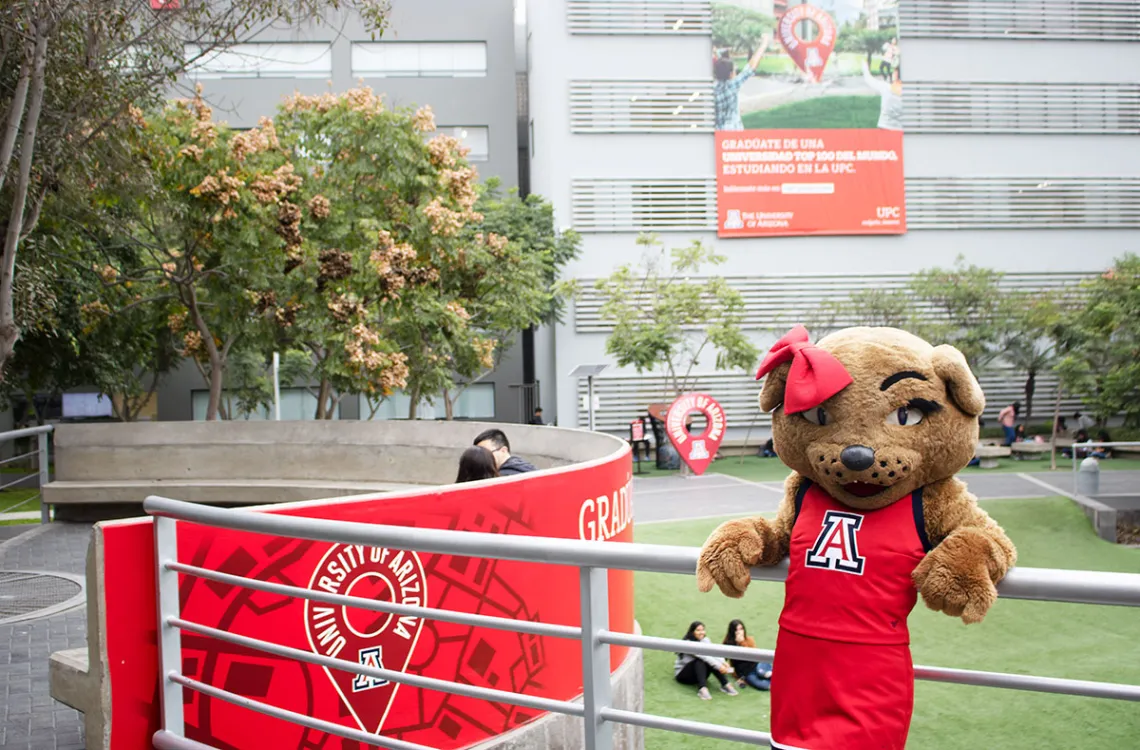
When the College of Architecture, Planning and Landscape Architecture at the University of Arizona considered which of its rigorous undergraduate programs would be a good fit for the global microcampus at top-ranked La Universidad Peruana de Ciencia Aplicadas (UPC) in Lima, Peru, the choice was obvious.
The Bachelor of Science in Sustainable Built Environments (SBE) is offered both online globally and in-person at UArizona’s campus in Tucson. The program’s innovative curriculum allows CAPLA to bridge the degree with UPC’s Bachelor of Architecture so that students in Peru start with the architecture program, add SBE courses beginning in their third year and graduate with both degrees. Qualified students may then move into CAPLA’s Master of Science in Architecture program for a graduate degree.
“While it was challenging to combine the programs—in part because of how fast the field of sustainability is moving—we’re excited about what we’ve created,” says Nicole Iroz-Elardo, assistant research professor of planning and CAPLA’s first instructor of the UPC microcampus implementation.
The first two courses launched at UPC on March 26, 2020. While they were originally to be delivered as hybrid courses, with both online and in-person components, with the worldwide coronavirus outbreak they’re being taught solely online now. Another challenge, but given SBE’s history of success online, the students won’t miss a beat.
University of Arizona microcampuses operate at 10 universities around the world in such locations as Jakarta, Indonesia, Amman, Jordan and Phnom Penh, Cambodia. UPC Lima is UArizona’s first microcampus in South America.
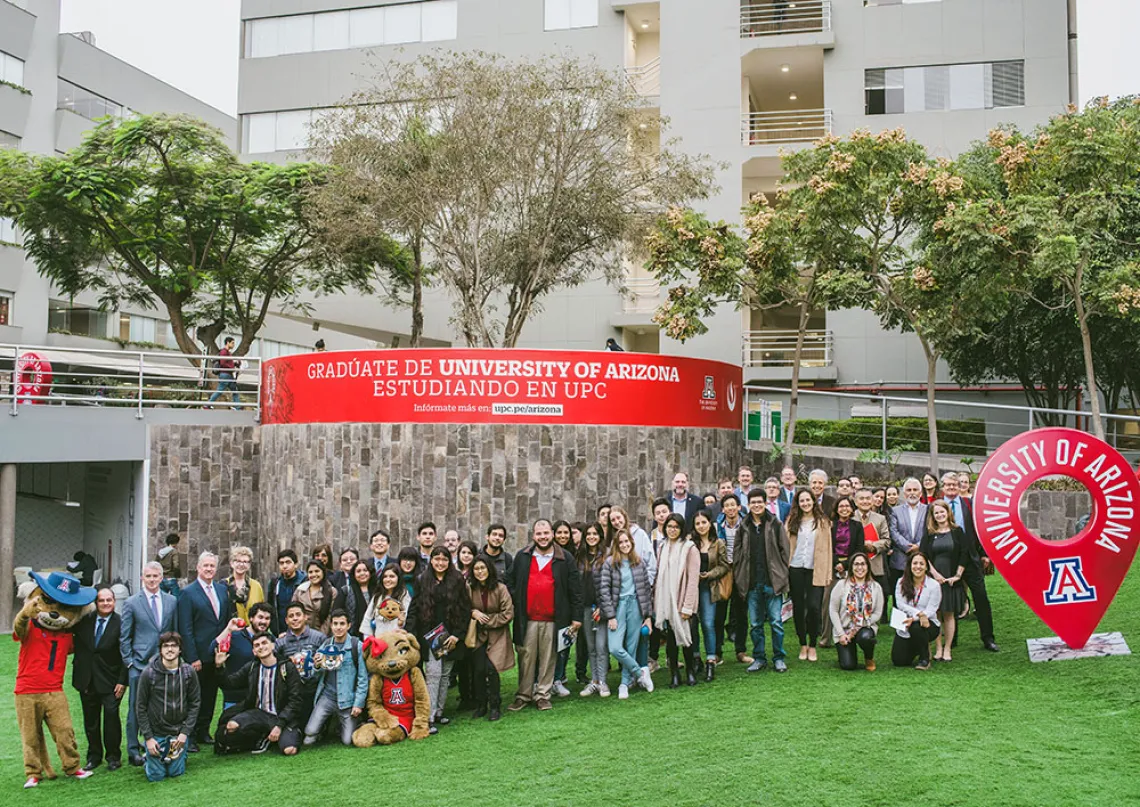
“Microcampuses provide students worldwide with affordable access to a top-quality education while promoting joint research with international partners,” says Brent White, vice provost for global affairs and dean of global campuses.
UArizona and local professors offer the courses collaboratively in a co-teaching environment. For the UPC Lima SBE courses, Iroz-Elardo has worked closely with Erika Ebermann Vera, an architect and UArizona global lecturer in UPC’s School of Architecture.
Each of the two initial SBE courses—Introduction to Sustainability and Careers in Sustainability—require student prep work prior to class, including readings, videos, podcasts and student responses. During class, Ebermann Vera leads activities related to the class topic. For example, in the introductory sustainability course, students have a lesson on international sustainability and local applications created by Iroz-Elardo. Students learn not only about the United Nations and other international sustainability programs, but also about local initiatives and how those initiatives are informed both by the UN’s measures and local, regional and national policy.
“It’s pretty edgy pedagogically,” says Iroz-Elardo. “We believe this approach can work in both the U.S. and in international locations where we can be sensitive to local cultural norms and business realities.”
The approach also benefits the SBE program back in Arizona and online. “Creating lessons for students in Peru—and ultimately other global locations—allows us to build a greater global context for the program altogether,” she says.
“We are excited to continue the SBE program’s success beyond our Arizona campus and online programs,” says Ladd Keith, assistant professor of planning and sustainable built environments and chair of the SBE program. “Our educational philosophy is to combine the expertise of our faculty in design and planning for more sustainable and resilient built environments with expertise that our Peruvian faculty colleagues bring, particularly in the local environmental, economic and social context. We look forward to supporting the global community of sustainability students, practitioners and researchers that the microcampus will connect.”


